Program of the day
Dagprogramma
Start
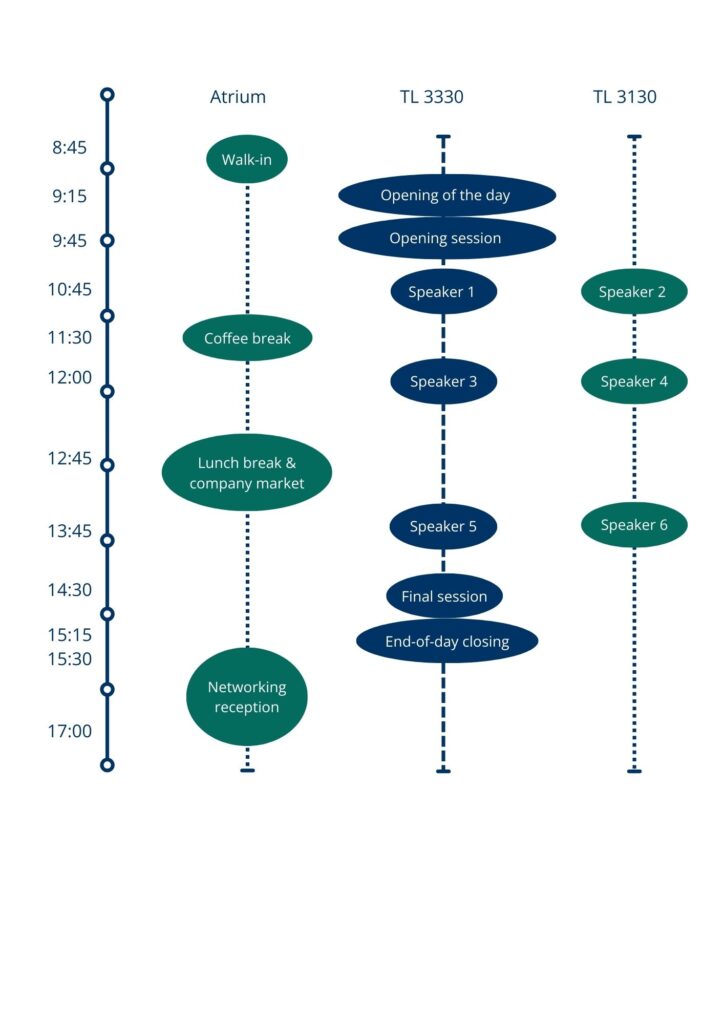
Het symposium start om 9:15 uur, en vanaf 08:45 uur bent u van harte welkom om rustig met een kopje koffie of thee op te starten. Wij verzoeken u vriendelijk om op tijd aanwezig te zijn, zodat u voldoende gelegenheid heeft om uw aangewezen locatie te vinden.
Lunch & bedrijvenmarkt
Tijdens de lunchpauze wordt er eten verzorgd. Eventuele allergieën en dieetwensen kunnen via het inschrijfformulier doorgegeven worden. Daarnaast vindt er een bedrijvenmarkt plaats, een mooie gelegenheid om in contact te komen met organisaties binnen de biomedische sector.
Afsluiting & borrel
Het symposium eindigt om 15:30 uur, waarna u van harte welkom bent op de afsluitende netwerkborrel. Deze duurt tot 17:00 uur. U ontvangt twee consumptiemunten, goed voor twee gratis drankjes.
English
Start
The symposium will begin at 9:15 AM. From 8:45 AM, you are warmly welcome to arrive early and start the day with a cup of coffee or tea. We kindly ask you to arrive on time, so you have sufficient opportunity to find your designated location.
Lunch & Company Fair
Food will be provided during the lunch break. Any allergies or dietary requirements can be indicated via the registration form. In addition, a company fair will take place, offering a great opportunity to connect with organizations within the biomedical sector.
Closing & Networking Drinks
The symposium will conclude at 3:30 PM, after which you are warmly invited to the closing networking reception. This will last until 5:00 PM. You will receive two drink vouchers, valid for two beverages.
Dagvoorzitters
Raymond Lionarons
Uitgaande van de vele beperkingen die artsen in hun vakgebied ervaren en de mogelijkheden die technisch al voorhanden zijn is het van groot belang dat de ‘vertaling’ van die problemen van arts naar technisch geschoolde goed verloopt. Technisch geneeskundigen en Biomedisch technologen zijn daarvoor het meest geschikt. Dit symposium laat zien welke vorderingen worden gemaakt en welke resultaten al zijn bereikt.
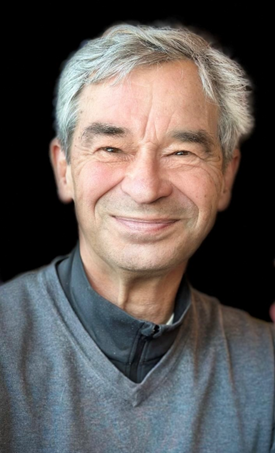
Raymond Lionarons studeerde geneeskunde aan de Rijks Universiteit Utrecht en vervulde daarna de dienstplicht in het Militair Hospitaal Dr. A. Mathijssen (MHAM) te Utrecht. Hoewel opleiders meenden dat hij vanwege zijn brede belangstelling internist moest worden koos hij voor de opleiding cardiologie (Academisch Ziekenhuis Utrecht). Als cardioloog was hij vanaf 1988 werkzaam in (opnieuw) het Militair Hospitaal te Utrecht, later in Almelo en tenslotte in Hardenberg.
Bij de start van de studie Technische Geneeskunde in Enschede zag hij een kans om de klassieke geneeskunde (die nog vele onopgeloste vraagstukken kent) te verenigen met techniek en mocht hij het cardiovasculair curriculum mede helpen inrichten. Dit resulteerde vanaf het begin in onderwijstaken die zorgvuldig werden afgestemd op de drukke cardiologische praktijk.
Na het staken van de cardiologische werkzaamheden in 2016 werden deze taken uitgebreid en Biomedische Technologie daar aan toegevoegd.
English
Given the many constraints that physicians experience in their field and the technological possibilities that already exist, it is of great importance that the translation of these problems from physicians to technically trained professionals proceeds effectively. Technical physicians and biomedical technologists are best suited for this role. This symposium demonstrates the progress being made and the results that have already been achieved.
Raymond Lionarons studied medicine at Utrecht University and subsequently completed his compulsory military service at the Dr. A. Mathijssen Military Hospital in Utrecht. Although his mentors believed that his broad range of interests would make him well suited to become an internist, he chose to pursue training in cardiology at the Academic Hospital Utrecht. From 1988 onward, he worked as a cardiologist at the Military Hospital in Utrecht, later in Almelo, and finally in Hardenberg.
When the Technical Medicine program was launched in Enschede, he saw an opportunity to unite classical medicine, which still faces many unresolved challenges, with technology, and he was invited to help develop the cardiovascular curriculum. From the outset, this resulted in teaching responsibilities that were carefully aligned with the demands of a busy cardiology practice.
After discontinuing his cardiology activities in 2016, these responsibilities were expanded, with Biomedical Technology added to his portfolio.
Katja Heijkens
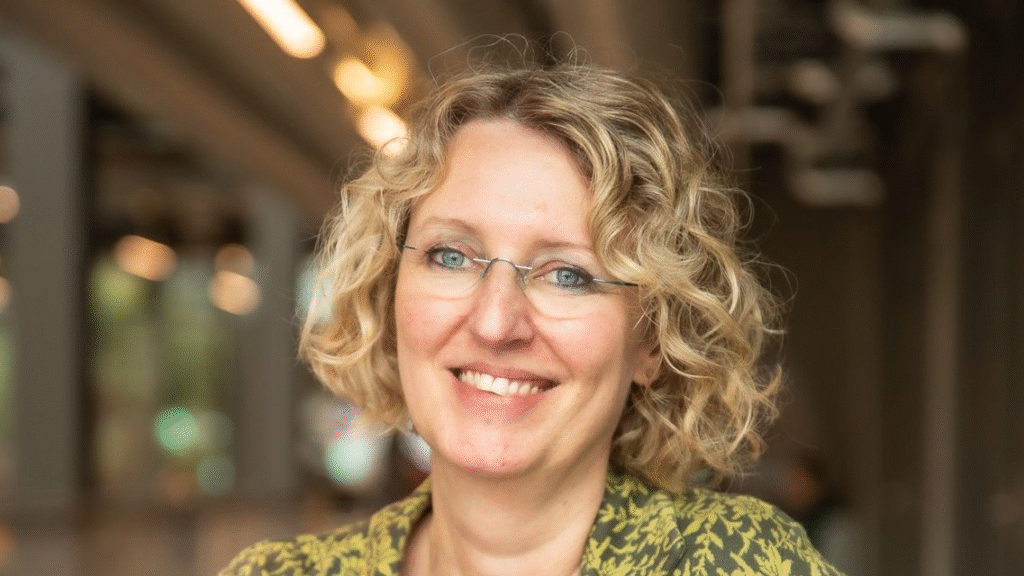
Katja Haijkens is opleidingsdirecteur van de opleidingen Biomedische Technologie en Technische Geneeskunde. Daarnaast is zij directeur onderwijs van het TechMed Centre van de Universiteit Twente. Het TechMed Centre is een toonaangevend innovatiecentrum dat impact maakt op de gezondheidszorg door middel van onderzoek, innovatie en onderwijs. Met een ervaring van 30 jaar in het hoger onderwijs heeft zij onder meer gewerkt als docent, onderwijskundig adviseur en in verschillende managementrollen.
Human-machine synergy is een mooi thema voor dit studentensymposium, omdat het de cruciale samenwerking tussen technologie en de mens belicht. In onze snel veranderende wereld zijn innovatieve oplossingen nodig om de gezondheidszorg te verbeteren en de synergie tussen mens en machine speelt hierin een sleutelrol. Het stimuleert niet alleen de efficiëntie, maar ook de kwaliteit van de zorg.
Ik kijk uit naar alle interessante sprekers die hun inzichten en ervaringen zullen delen. Hun diverse achtergronden en expertise zullen ongetwijfeld inspirerende discussies opleveren en ons helpen onze kennis over dit belangrijke onderwerp te verdiepen. Laten we samen onderzoeken hoe we de toekomst van de gezondheidszorg kunnen vormgeven!
English
Katja Haijkens is Director of Education for the Biomedical Technology and Technical Medicine programs. In addition, she is Director of Education at the TechMed Centre of the University of Twente. The TechMed Centre is a leading innovation hub that creates impact in health care through research, innovation, and education. With thirty years of experience in higher education, she has worked as a lecturer, educational consultant, and in various management roles.
Human machine synergy is a fitting theme for this student symposium, as it highlights the crucial collaboration between technology and people. In our rapidly changing world, innovative solutions are needed to improve health care, and the synergy between humans and machines plays a key role in this. It not only enhances efficiency, but also improves the quality of care.
I look forward to the many interesting speakers who will share their insights and experiences. Their diverse backgrounds and expertise will undoubtedly lead to inspiring discussions and help us deepen our understanding of this important topic. Let us explore together how we can shape the future of health care.